The Pit
11 June 2026 07:10 am![[personal profile]](https://www.dreamwidth.org/img/silk/identity/user.png) poliphilo
poliphilo I had slid back into looking at newspapers. I didn't let them get to me, only scanned the headlines to find what out what they wanted us to be obsessing about, but a slippery slope is a slippery slope and I've now dug my heels in and clawed my way out of the pit.
Community Thursdays
11 June 2026 12:07 amysabetwordsmithThis year I'm doing Community Thursdays. Some of my activity will involve maintaining communities I run, and my favorites. Some will involve checking my list of subscriptions and posting in lower-traffic ones. Today I have interacted with the following communities...
* Posted "News" to![[community profile]](https://www.dreamwidth.org/img/silk/identity/community.png) liberal.
liberal.
* Posted "Books" tolibrary_community.
* Commented on "A thought experiment" inlinguaphiles.
* Posted "Linguistics" inlinguaphiles.
* Posted "News" to
liberal.* Posted "Books" to
library_community.* Commented on "A thought experiment" in
linguaphiles.* Posted "Linguistics" in
linguaphiles.
A Little Good News.....
10 June 2026 08:45 pmdisneydream06After a U.K. city defunded its Pride parade, trade unions raised money to fund it
Miners used this opportunity to repay the LGBTQ community from 40 years earlier.
By Jacalyn Wetzel
https://www.upworthy.com/summerof94-coachbora-imagineent/
Miners used this opportunity to repay the LGBTQ community from 40 years earlier.
By Jacalyn Wetzel
https://www.upworthy.com/summerof94-coachbora-imagineent/

Storm Damage
10 June 2026 01:12 pmysabetwordsmithSevere storms down trees, knock out power to thousands across Minnesota
A line of severe thunderstorms raced across Minnesota overnight, bringing wind gusts of more than 80 mph, downing trees and knocking out power to thousands of homes and businesses.
As climate change progresses, violent storms occur more often and do more damage. This is only going to keep getting worse.
If you are able-bodied, I recommend getting a chainsaw and learning how to use it. For less-able folks, a hand saw, or even a chainsaw that you could loan out, may make sense. Reason being, few people want to do blue-collar work nowadays, so any tree services in a given area tend to run months behind on work. When a storm hits, they get a huge surge in demand, but there is no surge capacity to absorb the demand. That means there's nobody to clean up the fallen limbs and trees promptly. Ordinary residents need to pick up the slack to clear debris from their yards, the streets, for less-able neighbors, etc. to restore road access and remove tree parts from places they don't belong. If you have a broken roof, punctured septic tank, or smashed car then by all means try to get the attention of overworked professionals. Otherwise you are probably on your own. Look out for each other. Form neighborhood storm response teams if possible. Here are some resources...
( Read more... )
A line of severe thunderstorms raced across Minnesota overnight, bringing wind gusts of more than 80 mph, downing trees and knocking out power to thousands of homes and businesses.
As climate change progresses, violent storms occur more often and do more damage. This is only going to keep getting worse.
If you are able-bodied, I recommend getting a chainsaw and learning how to use it. For less-able folks, a hand saw, or even a chainsaw that you could loan out, may make sense. Reason being, few people want to do blue-collar work nowadays, so any tree services in a given area tend to run months behind on work. When a storm hits, they get a huge surge in demand, but there is no surge capacity to absorb the demand. That means there's nobody to clean up the fallen limbs and trees promptly. Ordinary residents need to pick up the slack to clear debris from their yards, the streets, for less-able neighbors, etc. to restore road access and remove tree parts from places they don't belong. If you have a broken roof, punctured septic tank, or smashed car then by all means try to get the attention of overworked professionals. Otherwise you are probably on your own. Look out for each other. Form neighborhood storm response teams if possible. Here are some resources...
( Read more... )
Upcycling
10 June 2026 12:55 pmysabetwordsmithRescuing London’s Precious Building Materials Diverting Them from Dumps for Reuse
A salvage and reuse operation in London is ensuring that every charming bit of wood, brick, glass, porcelain, and steel that has made the city beautiful can continue to do so with a second life in the circular economy.
Started through an epiphany of “street logic” by a man frustrated by red tape, Yes Make is making things all over London out of what the city might otherwise throw out.
“We’re creating a regenerative supply chain for the city we love,” says Joel De Mowbray, founder of Yes Make, to the Guardian. “Turning things that would otherwise go to waste into objects that have cultural potential.”
This kind of salvage operation is replicable anywhere, since towns generally have a cycle of demolition, renovation, and construction that generates considerable materials typically thought of as "waste" which are still useful. If you're looking for a cheap startup business, and you're at least a little crafty, then upcycling is an excellent bet because its raw materials tend to be free or cheap. The more we can keep out of landfills, and the less new material we consume, the better.
A salvage and reuse operation in London is ensuring that every charming bit of wood, brick, glass, porcelain, and steel that has made the city beautiful can continue to do so with a second life in the circular economy.
Started through an epiphany of “street logic” by a man frustrated by red tape, Yes Make is making things all over London out of what the city might otherwise throw out.
“We’re creating a regenerative supply chain for the city we love,” says Joel De Mowbray, founder of Yes Make, to the Guardian. “Turning things that would otherwise go to waste into objects that have cultural potential.”
This kind of salvage operation is replicable anywhere, since towns generally have a cycle of demolition, renovation, and construction that generates considerable materials typically thought of as "waste" which are still useful. If you're looking for a cheap startup business, and you're at least a little crafty, then upcycling is an excellent bet because its raw materials tend to be free or cheap. The more we can keep out of landfills, and the less new material we consume, the better.
Birdfeeding
10 June 2026 12:23 pmysabetwordsmithToday is sunny, humid, and hot. A beautiful day to stay indoors and write! Yesterday it rained off and on during the afternoon. The patio was still wet this morning, so we likely got more last night too.
I fed the birds. I haven't seen much activity yet.
I put out water for the birds.
Morning glories are blooming. :D
EDIT 6/10/26 -- I did a bit of work around the patio.
EDIT 6/10/26 -- I took some pictures around the house and yard. I have a nice tall stand of milkweed blooming in the prairie garden, taller than me. :D
I've seen a mixed flock of sparrows and house finches at the hopper feeder.
EDIT 6/10/26 -- I did more work around the patio.
EDIT 6/10/26 -- I started trimming grass around the Asiatic lily patch by the telephone pole.
The first of the recently sown seeds are already sprouting! :D Charleston Food Forest and 'State Fair' zinnias are up, though not the developing 'Shirley' landrace rows.
EDIT 6/10/26 -- I trimmed more grass around the Asiatic lily patch by the telephone pole.
EDIT 6/10/26 -- I did more work around the patio.
EDIT 6/10/26 -- I did more work around the patio.
I planted 5 'Yelloween' lilies in the telephone pole garden. That's the end of the hummingbird garden sack that I got from Costco.
EDIT 6/10/26 -- I spread potting soil and mulch over the newly planted lilies.
It's not even dark yet, but already swarms of fireflies are rising up from the grass. :D Fly, my pretties, fly!
EDIT 6/10/26 -- I watered the telephone pole garden including the new lilies.
Lots more fireflies are out now. The evening is very sparkly! I've seen at least one bat too.
As it is getting dark, I am done for the night.
I fed the birds. I haven't seen much activity yet.
I put out water for the birds.
Morning glories are blooming. :D
EDIT 6/10/26 -- I did a bit of work around the patio.
EDIT 6/10/26 -- I took some pictures around the house and yard. I have a nice tall stand of milkweed blooming in the prairie garden, taller than me. :D
I've seen a mixed flock of sparrows and house finches at the hopper feeder.
EDIT 6/10/26 -- I did more work around the patio.
EDIT 6/10/26 -- I started trimming grass around the Asiatic lily patch by the telephone pole.
The first of the recently sown seeds are already sprouting! :D Charleston Food Forest and 'State Fair' zinnias are up, though not the developing 'Shirley' landrace rows.
EDIT 6/10/26 -- I trimmed more grass around the Asiatic lily patch by the telephone pole.
EDIT 6/10/26 -- I did more work around the patio.
EDIT 6/10/26 -- I did more work around the patio.
I planted 5 'Yelloween' lilies in the telephone pole garden. That's the end of the hummingbird garden sack that I got from Costco.
EDIT 6/10/26 -- I spread potting soil and mulch over the newly planted lilies.
It's not even dark yet, but already swarms of fireflies are rising up from the grass. :D Fly, my pretties, fly!
EDIT 6/10/26 -- I watered the telephone pole garden including the new lilies.
Lots more fireflies are out now. The evening is very sparkly! I've seen at least one bat too.
As it is getting dark, I am done for the night.
Isn't It Punny.....
10 June 2026 09:52 amdisneydream06June 10th.....
I Know A Guy Who Used
To Be Addicted To Soap.
But Don't Worry,
He's Clean Now.
I Know A Guy Who Used
To Be Addicted To Soap.
But Don't Worry,
He's Clean Now.
Interesting Links for 10-06-2026
10 June 2026 12:00 pmandrewducker- 1. RSPB buys Bass Rock after 300 years in private hands
- (tags:birds Scotland )
- 2. Google Chrome is killing uBlock Origin , Microsoft Edge, Opera to follow (still works fine on Firefox)
- (tags:adblock browser google )
- 3. German ruling declares Google's AI Overviews are Google's own words and makes it liable for false answers
- (tags:Google ai law Germany )
Untouchable
10 June 2026 09:40 ampoliphilo I dreamed the victims of Jimmy Savile were scattered across the landscape like broken dolls. I had to tell someone about this so I told a person who turned out to be..... Jimmy Savile.
How do you expose and take down an evil when the worst practitioners of it are the rulers of the world- politicians, influencers, billionaires, men of God- and they have corrupted and intimidated all the forces that might otherwise be marshalled against them.
Savile and Epstein were procurers to the elites. Diddy was another. In Belgium there was a man called Marc Dutroux who had girls banged up in his cellar. They weren't at the apex of the pyramid, those at the top are untouchable.
Prince Andrew? Pretty low-level, expendable. But notice how he is still protected....
How do you expose and take down an evil when the worst practitioners of it are the rulers of the world- politicians, influencers, billionaires, men of God- and they have corrupted and intimidated all the forces that might otherwise be marshalled against them.
Savile and Epstein were procurers to the elites. Diddy was another. In Belgium there was a man called Marc Dutroux who had girls banged up in his cellar. They weren't at the apex of the pyramid, those at the top are untouchable.
Prince Andrew? Pretty low-level, expendable. But notice how he is still protected....
Wildlife
10 June 2026 01:23 amysabetwordsmith2026 Sees the Most Right Whale Calves Born in One Season Since 2009
Decades of diligent conservation seem to have allowed the whales to really turn a corner in the last 36 months, with milestones like record numbers of sightings, strange vagrancies, and an increasing population being celebrated.
Now, 23 calves were born during the 2026 right whale calving season—the highest number since 2009. Of the 23 mom-calf pairs identified this season, 20 of these were returning moms. Since that year, the average has been around 15 animals, but some years there have been 7 or fewer.
13 of these returning moms last had calves in the 2021 or 2022 seasons, marking a shorter interval between births than the recent average of 7 to 10 years. This is closer to the normal or healthy interval of 3 to 4 years.
It's so good to see a population recovering from whaling. :D
Decades of diligent conservation seem to have allowed the whales to really turn a corner in the last 36 months, with milestones like record numbers of sightings, strange vagrancies, and an increasing population being celebrated.
Now, 23 calves were born during the 2026 right whale calving season—the highest number since 2009. Of the 23 mom-calf pairs identified this season, 20 of these were returning moms. Since that year, the average has been around 15 animals, but some years there have been 7 or fewer.
13 of these returning moms last had calves in the 2021 or 2022 seasons, marking a shorter interval between births than the recent average of 7 to 10 years. This is closer to the normal or healthy interval of 3 to 4 years.
It's so good to see a population recovering from whaling. :D
Cuddle Party
10 June 2026 12:02 amysabetwordsmithEveryone needs contact comfort sometimes. Not everyone has ample opportunities for this in facetime. So here is a chance for a cuddle party in cyberspace. Virtual cuddling can help people feel better.
We have a cuddle room that comes with fort cushions, fort frames, sheets for draping, and a weighted blanket. A nest full of colorful egg pillows sits in one corner. There is a basket of grooming brushes, hairbrushes, and styling combs. A bin holds textured pillows. There is a big basket of craft supplies along with art markers, coloring pages, and blank paper. The kitchen has a popcorn machine. Labels are available to mark dietary needs, recipe ingredients, and level of spiciness. Here is the bathroom, open to everyone. There is a lawn tent and an outdoor hot tub. Bathers should post a sign for nude or clothed activity. Come snuggle up!
For the upcoming 4th of July, enjoy some of my previous posts about fireworks. Watch a video of fireworks going off and fireworks fail.
( Read more... )
We have a cuddle room that comes with fort cushions, fort frames, sheets for draping, and a weighted blanket. A nest full of colorful egg pillows sits in one corner. There is a basket of grooming brushes, hairbrushes, and styling combs. A bin holds textured pillows. There is a big basket of craft supplies along with art markers, coloring pages, and blank paper. The kitchen has a popcorn machine. Labels are available to mark dietary needs, recipe ingredients, and level of spiciness. Here is the bathroom, open to everyone. There is a lawn tent and an outdoor hot tub. Bathers should post a sign for nude or clothed activity. Come snuggle up!

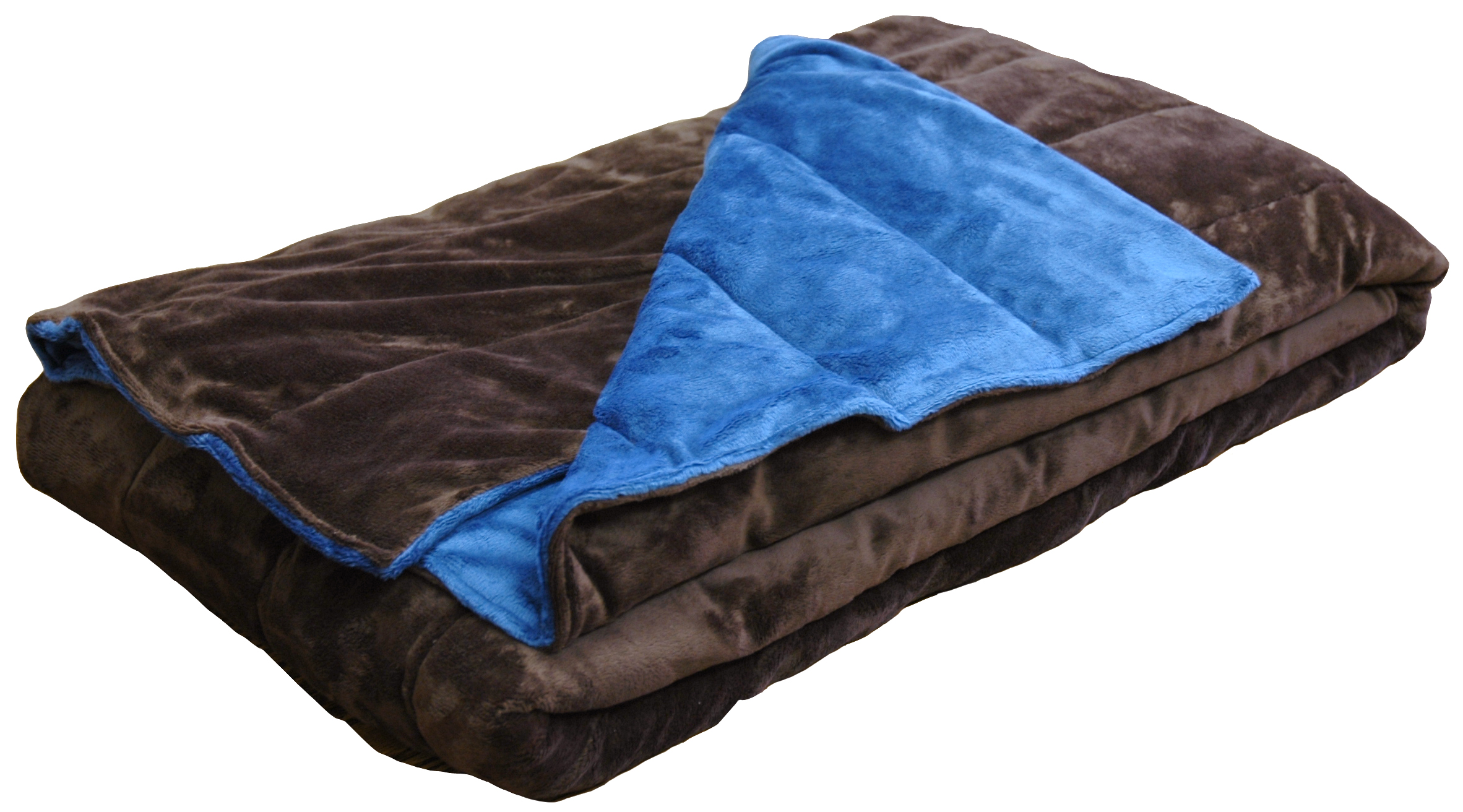


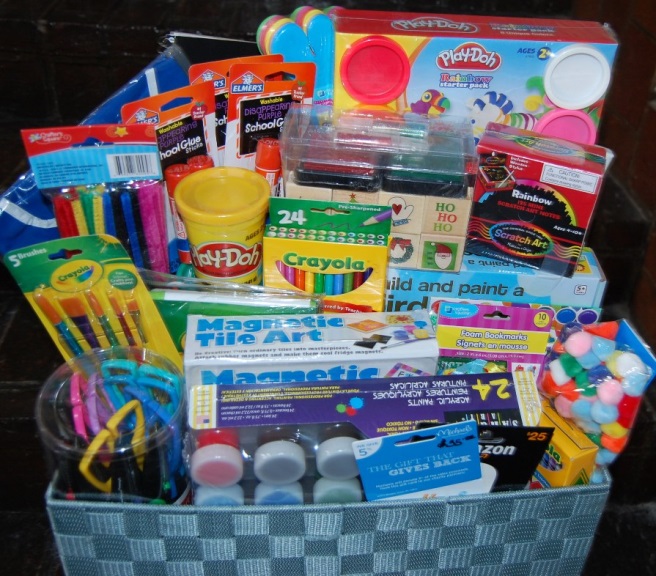


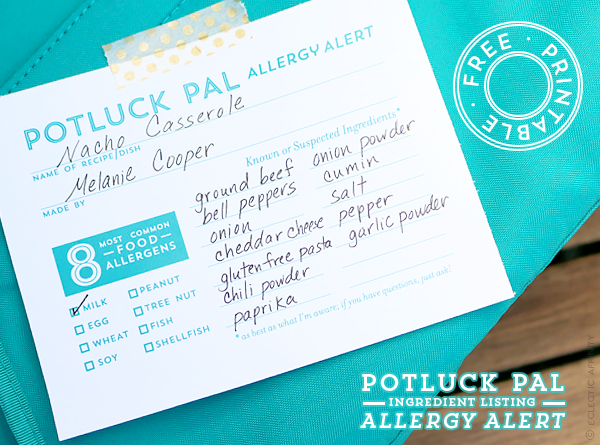



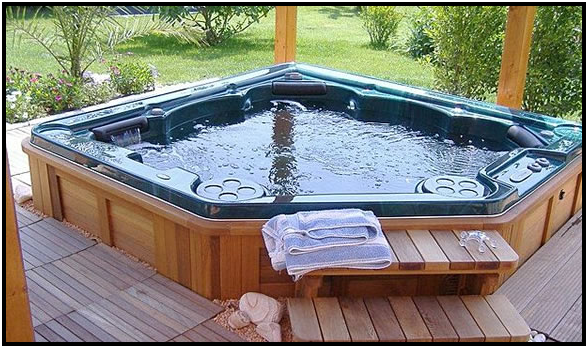


For the upcoming 4th of July, enjoy some of my previous posts about fireworks. Watch a video of fireworks going off and fireworks fail.
( Read more... )
Walkability
9 June 2026 11:31 pmysabetwordsmithWard Walks
Here in Batavia, Illinois, our Local Conversation group helps to bridge the walkability perception gap by running what we call Ward Walks, wherein we take a walk around town to see just how easy it is to reach common destinations. And what is perhaps the most commonly desired destination than an ice cream shop?
Being able to take a walk to get ice cream on a whim is practically a quintessential American ideal, which makes it ironic that it’s so hard to do in so many of our towns and cities. It’s precisely this expectation that the Ward Walks highlight. As the name implies, each walk highlights a different ward (i.e., political district) around town, starting at a city park and traversing toward an ice cream spot before walking back.
This is something that anyone interested in community can do: walk (or roll, whatever) around your neighborhood. See what amenities you can or can't reach that way. Is there at least one place to eat, to shop for everyday needs, to touch grass? Is there a church, a school, a health care facility, some sort of recreation? And so on. What you learn will be useful in any local activism for improving your hometown.
Here in Batavia, Illinois, our Local Conversation group helps to bridge the walkability perception gap by running what we call Ward Walks, wherein we take a walk around town to see just how easy it is to reach common destinations. And what is perhaps the most commonly desired destination than an ice cream shop?
Being able to take a walk to get ice cream on a whim is practically a quintessential American ideal, which makes it ironic that it’s so hard to do in so many of our towns and cities. It’s precisely this expectation that the Ward Walks highlight. As the name implies, each walk highlights a different ward (i.e., political district) around town, starting at a city park and traversing toward an ice cream spot before walking back.
This is something that anyone interested in community can do: walk (or roll, whatever) around your neighborhood. See what amenities you can or can't reach that way. Is there at least one place to eat, to shop for everyday needs, to touch grass? Is there a church, a school, a health care facility, some sort of recreation? And so on. What you learn will be useful in any local activism for improving your hometown.
Open for 2026: Summer of the 69
9 June 2026 11:14 pmsoc_puppet posting in ![[site community profile]](https://www.dreamwidth.org/img/comm_staff.png) dw_community_promo
dw_community_promoStarting today: Summer of the 69 is an old-fashioned panfandom fest that runs from June 9th through September 6th, to hit 6/9 in both common date formats. It's dedicated to creations featuring the sexual position in question, though it doesn't have to be the first, last, or only sexual position featured in a given work.
Contributions are open to all sorts of non-gen-AI works and content, from recs to fics to art to crafts to podfic to vids to just about anything legal you can think of, and are open to all fandoms and original works. The fest features themes introduced weekly that themselves typically run for two weeks, to give participants some inspiration to work off of. There's also a comment meme in the style of old-fashioned kink memes, where you can prompt scenarios to your heart's content!
To learn more, go tosummerofthe69; you can also check out this year's theme calendar right here, add prompts to the comment meme over here, and browse the AO3 collections for this and past years over here.
Come check it out!
Contributions are open to all sorts of non-gen-AI works and content, from recs to fics to art to crafts to podfic to vids to just about anything legal you can think of, and are open to all fandoms and original works. The fest features themes introduced weekly that themselves typically run for two weeks, to give participants some inspiration to work off of. There's also a comment meme in the style of old-fashioned kink memes, where you can prompt scenarios to your heart's content!
To learn more, go to
summerofthe69; you can also check out this year's theme calendar right here, add prompts to the comment meme over here, and browse the AO3 collections for this and past years over here.Come check it out!
Summer of the 69
9 June 2026 08:36 pmysabetwordsmithsummerofthe69 is now open! You can see the 2026 theme calendar here and the comment prompt post. The initial theme is "First Time 69: Everyone has to start somewhere."Welcome to Summer of the 69, an event focused on creative works about the sexual position, open to all fandoms and to original works. Participation is through two means: A comment meme and weekly themes, running from June 9th through September 6th.
Poke a bigot in the eye, make some sexy stuff!
Nature
9 June 2026 04:56 pmysabetwordsmithEcosystem of Pansies Thrives on Soil Contaminated by Lead Mining–Turning it into Clean Organic Compounds
For areas contaminated by lead and zinc mining across Europe, a class of plants known as “metallophytes” are helping enrich nature while diminishing pollution.
The Guardian reported on this kind of ecological double speak, where wildflowers seemingly grow in healthy abundance on semi-mountainous landscapes in the north of the UK, a place that has seen lead and zinc mining since Roman times.
That is an awesome scenario.
( Read more... )
For areas contaminated by lead and zinc mining across Europe, a class of plants known as “metallophytes” are helping enrich nature while diminishing pollution.
The Guardian reported on this kind of ecological double speak, where wildflowers seemingly grow in healthy abundance on semi-mountainous landscapes in the north of the UK, a place that has seen lead and zinc mining since Roman times.
That is an awesome scenario.
( Read more... )
Technology
9 June 2026 02:04 pmysabetwordsmithCoping with the Non-Modern World, Tuesday, Second Period
"Right," Yennefer said to her class. "Let's talk about technology. You from the future, you're just going to have to figure out how to reverse this on your own time. If you're coming from a time that's just about got the hang of the water mill, or is more reliant on magic that not everyone has, the technology of this world is a boon. Hot water from a tap, flush toilets, hair dryers, don't even get me started on the phones, that will be a whole separate lesson...and then you go home and you have none of that. How can you cope? Yes, you can learn how your favorite bits are done and become a genius inventor, and yes, that may have knock-on effects you couldn't have anticipated for the rest of your society, but who cares when you're nice and comfortable and not dealing with a chamber pot? But also, that sounds like a lot of effort."
Well, that's the background radiation of my life. I always remember, in greater or lesser detail, an extremely wide range of technology. I mean from digging stick to star generator wide. So a few tips...
( Read more... )
"Right," Yennefer said to her class. "Let's talk about technology. You from the future, you're just going to have to figure out how to reverse this on your own time. If you're coming from a time that's just about got the hang of the water mill, or is more reliant on magic that not everyone has, the technology of this world is a boon. Hot water from a tap, flush toilets, hair dryers, don't even get me started on the phones, that will be a whole separate lesson...and then you go home and you have none of that. How can you cope? Yes, you can learn how your favorite bits are done and become a genius inventor, and yes, that may have knock-on effects you couldn't have anticipated for the rest of your society, but who cares when you're nice and comfortable and not dealing with a chamber pot? But also, that sounds like a lot of effort."
Well, that's the background radiation of my life. I always remember, in greater or lesser detail, an extremely wide range of technology. I mean from digging stick to star generator wide. So a few tips...
( Read more... )